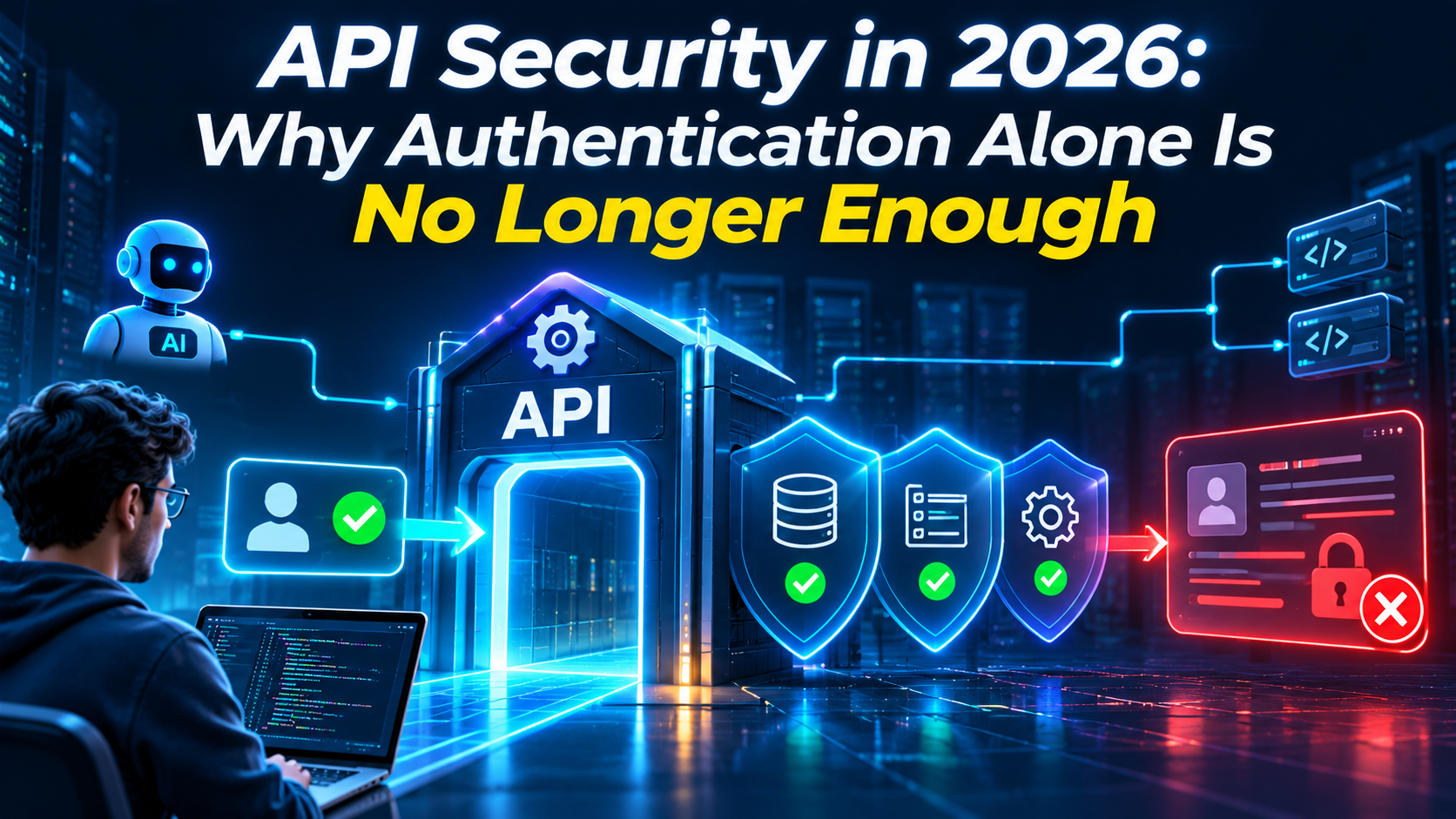
The OWASP API Security Top 10 (the 2023 edition is still the reference) reads like a catalogue of access-control failures. The ranking, as listed in one developer review, is: Broken Object Level Authorization, Broken Authentication, Broken Object Property Level Authorization, Unrestricted Resource Consumption, Broken Function Level Authorization, Mass Assignment, Security Misconfiguration, Injection, Improper Inventory Management and Unsafe Consumption of APIs.
Notice how many of those are about what an authenticated caller can reach. The ones that matter most for this article:
API1: Broken Object Level Authorization (BOLA). This is the top risk, and it has been since the list began. The pattern is always the same: an endpoint exposes an object ID, and the API does not verify that the authenticated user actually owns that object. It stays on top because it is easy to write by accident and hard to catch in traffic, where the malicious request looks like every other request. Measured shares vary by study. One analysis found BOLA in 12.5% of API vulnerability reports, while another roundup says it appears in over 40% of cases. Different datasets and definitions explain the gap, but all agree it is near the top.
API3: Broken Object Property Level Authorization (BOPLA). The caller is allowed to see an object, but not every field inside it. Returning an entire record, including internal flags, email addresses or pricing data, because “the frontend only displays some of it” is a classic mistake. Related is mass assignment, where an API blindly accepts any fields a client sends, such as a user setting their own “isAdmin” value.
API5: Broken Function Level Authorization (BFLA). A regular user can call an administrative function because the API only checks that they are logged in, not what role they hold. One 2026 breakdown found it in 10.5% of cases.
API4: Unrestricted Resource Consumption. Even perfectly authorized users can cause harm by hammering an endpoint, scraping data at scale, or triggering expensive operations. Without quotas and rate limits, a single valid account can become a data-extraction tool or a denial-of-service source.
API9: Improper Inventory Management. You cannot protect endpoints you do not know exist. Old versions, forgotten test endpoints and undocumented “shadow” APIs often skip the controls that production ones have.
API10: Unsafe Consumption of APIs. Your application also calls other APIs. If it trusts their responses blindly, a compromised or malicious upstream service can feed it harmful data.