Three ingredients make physical AI work.
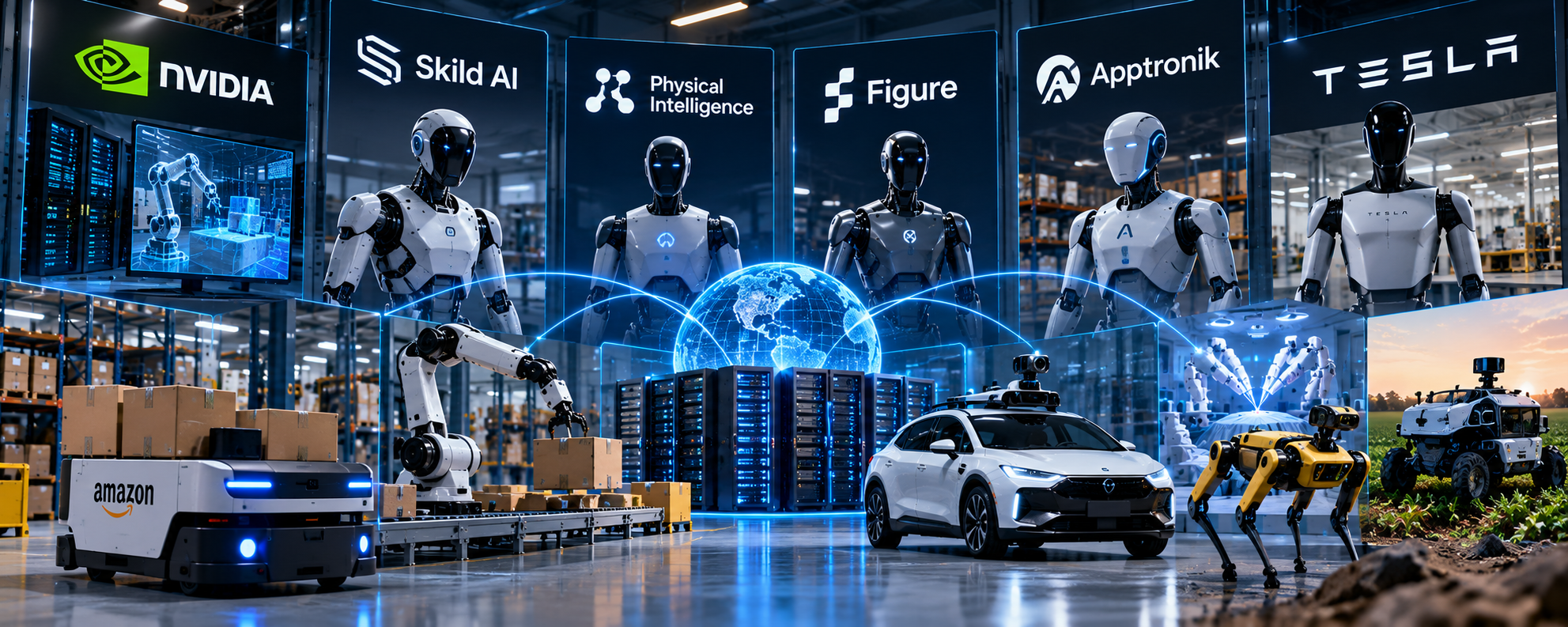
1. Robot foundation models (vision-language-action models). A VLA model takes in what the robot sees plus an instruction in plain language, and outputs the physical actions to take. Physical AI adopts training methods from large language models while incorporating data that describes the physical world. Foundation models trained on massive cross-embodiment datasets are now enabling robots to generalize across tasks, objects, and environments in ways that were research fantasies three years ago. Names in this space include Pi0, OpenVLA, and NVIDIA’s GR00T, and Figure AI’s Helix is described as the first VLA designed specifically for humanoid robots.
2. Simulation and world models. Learning by trial and error on a real robot is slow, expensive, and risky. So developers train in simulation first. World foundation models learn how the physical world behaves, so robots can be trained and tested in simulation before they touch reality. Combined with world models like NVIDIA Cosmos that simulate physics, robots can train on billions of synthetic scenarios before touching a real object.
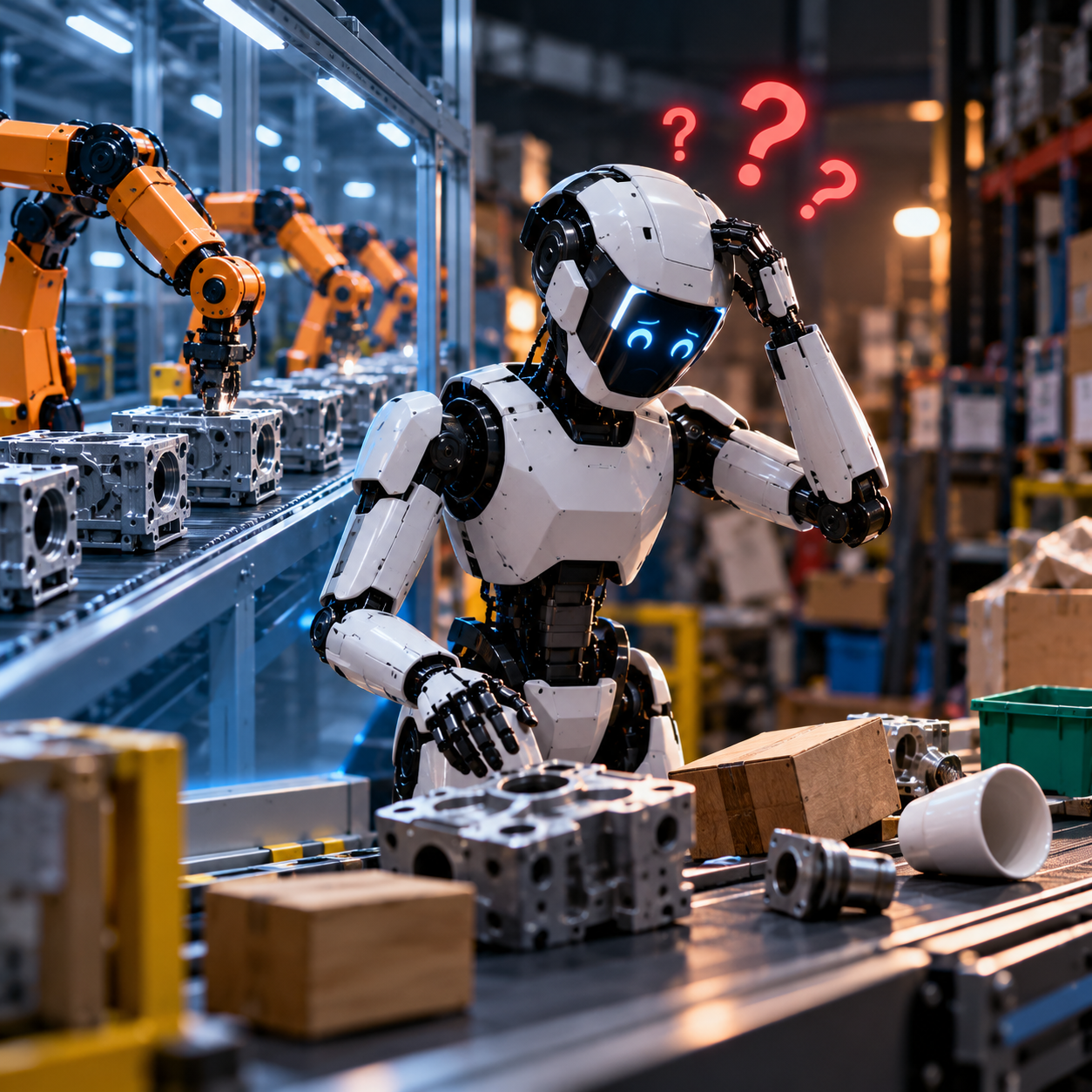
3. Real-world data to close the gap. Simulation never perfectly matches reality, a problem known as the sim-to-real gap. The fix is to fine-tune on real robot data. For example, GR00T N1 was pre-trained on over a million simulated humanoid episodes, then fine-tuned with 50K to 100K real episodes. The same source argues a 4 to 10x reduction in data requirements is the primary economic argument for foundation models.
Finally, learning continues after deployment: real-world data fed back into training policies and simulation spaces helps robots keep improving.