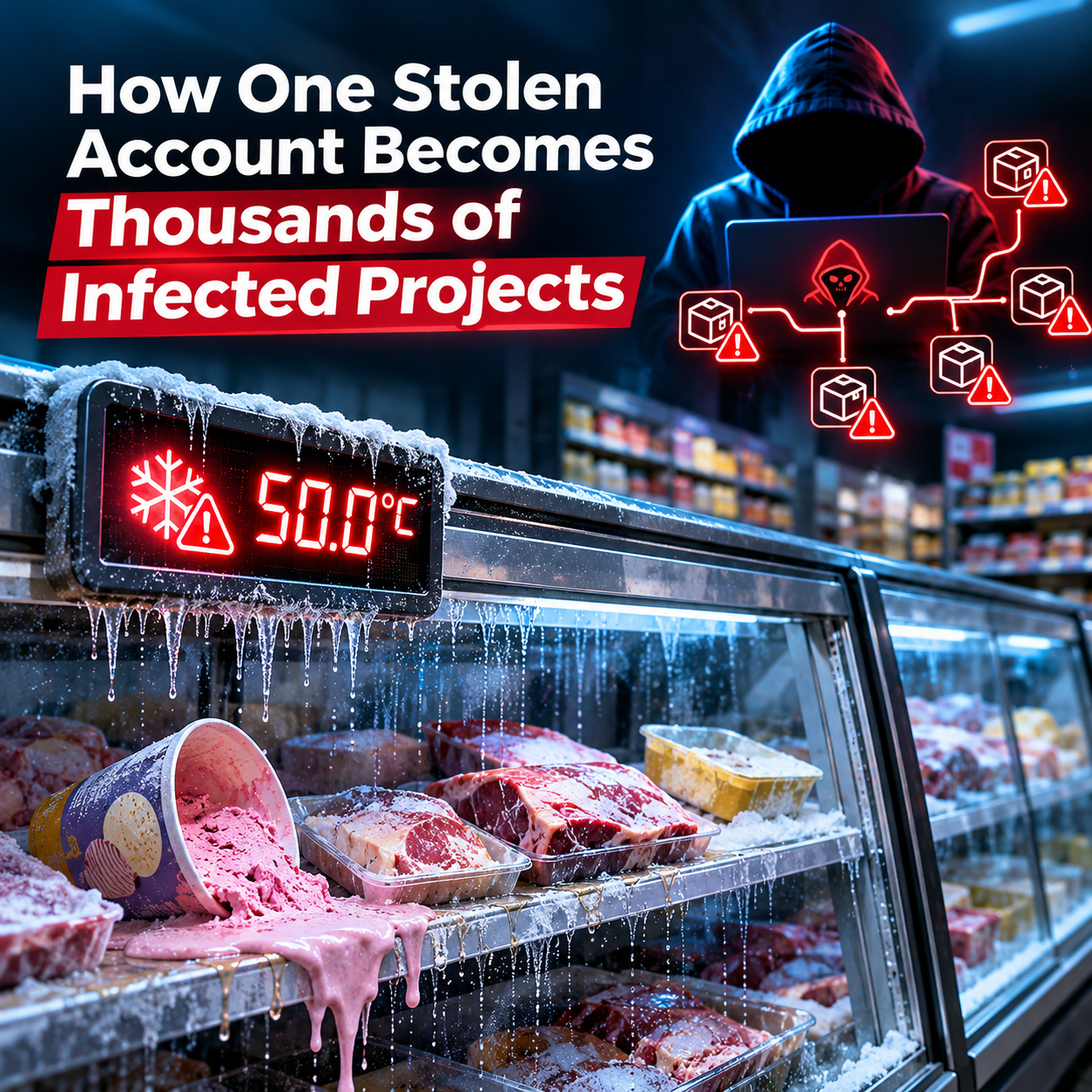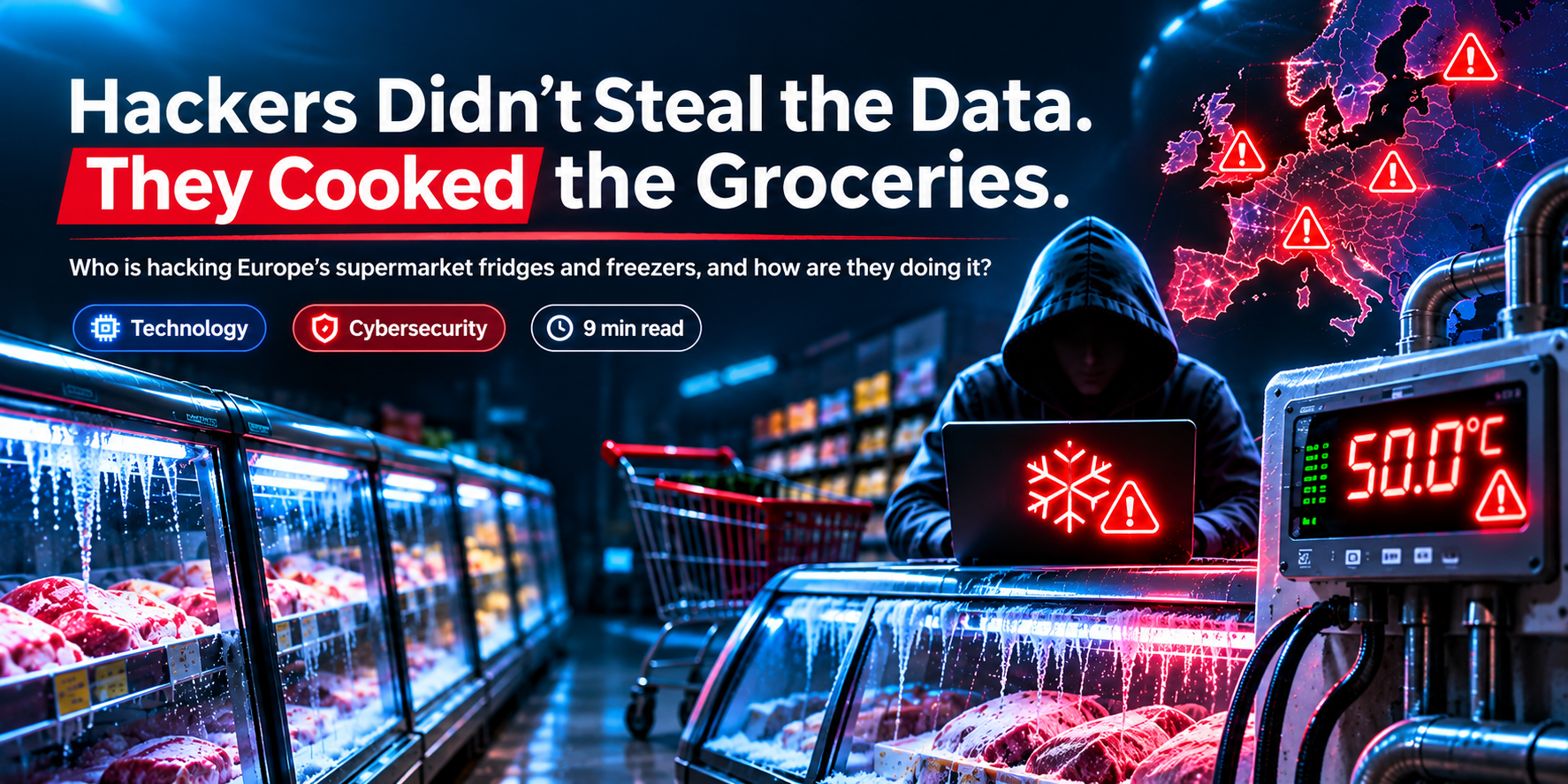
On the weekend of 11 and 12 October 2026, supermarket staff in France arrived to scenes that looked like a power cut gone wrong. Refrigeration and freezer units had been pushed far outside their normal range overnight, with some reaching around 50°C (122°F). Chains including Intermarché, its Netto brand and Coopérative U were hit.
Reports on the scale vary, which is normal in the first days of a fast-moving incident. French reporting put the number of Intermarché stores affected at somewhere between 150 and 300, with nearly 100 Coopérative U outlets also targeted. Some broadcasters spoke of around 700 retailers in total, while others cited more than 500 shops. Treat any single number with caution; what is consistent across sources is that it was hundreds of locations, not a handful.
The damage was both physical and financial. Food had to be thrown away in huge quantities, and the Paris prosecutor's office said it was also looking at the potential for fires linked to the overheating. Early estimates of the losses ran to more than €10 million. French authorities treated it seriously enough that the Prime Minister instructed the national cybersecurity agency, ANSSI, to investigate and to coordinate with other European countries to prevent further incidents.
One analyst described it as the first cyberattack with a real-world effect on a nation's food supply chain. Whether or not that label holds up in the long run, it captures why this one felt different: it was not about stolen records or locked screens, it was about spoiled food.